

(480) 483-3399
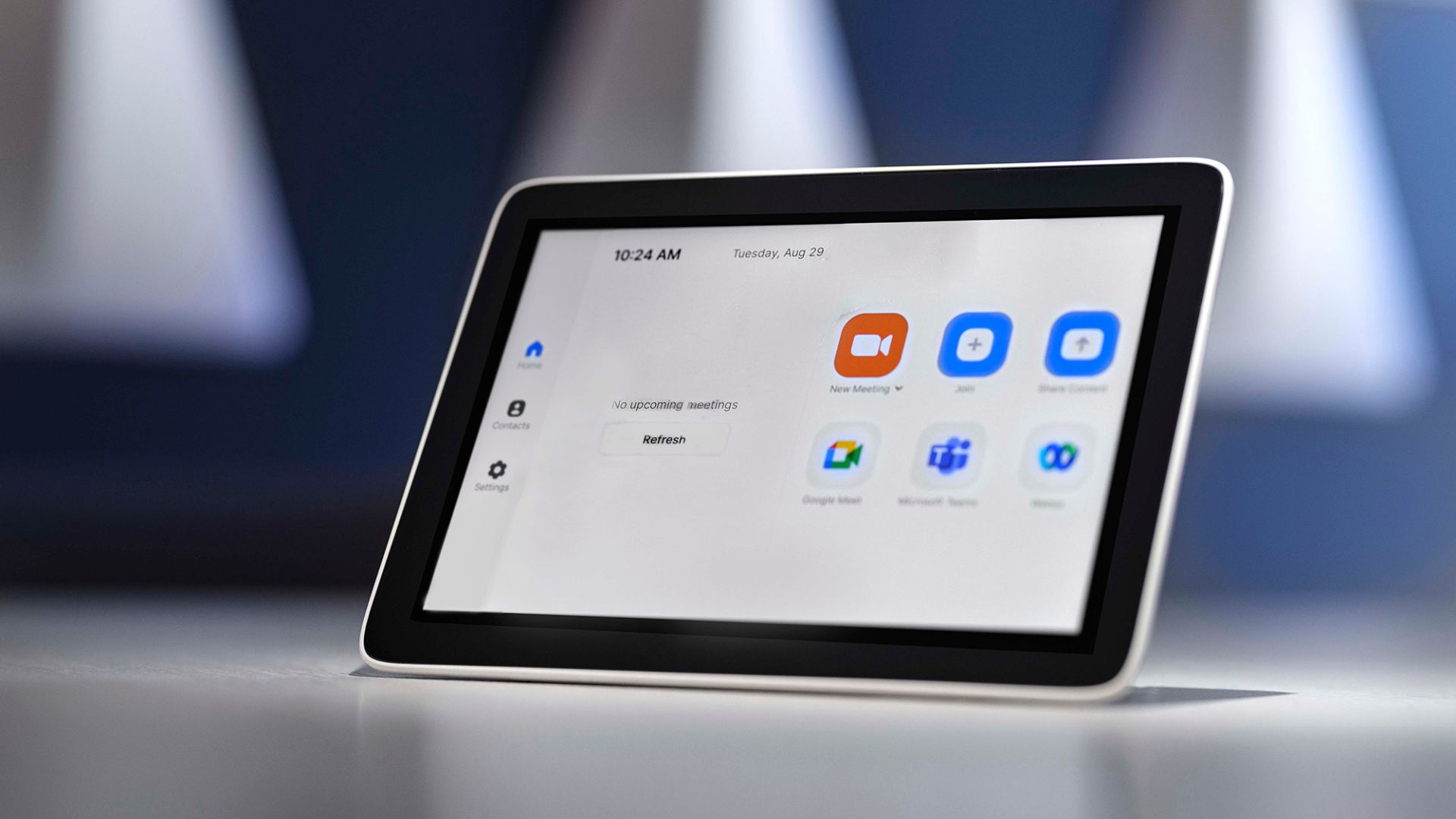
For years, corporate IT departments built their meeting spaces around a single ecosystem. You were either a "Zoom House," a "Microsoft Teams Company," or a "Cisco Webex Shop." You picked your platform, bought dedicated hardware, and locked down your conference rooms.
That rigid approach no longer works.
Today, your internal team might run entirely on Microsoft Teams, but your legal counsel uses Zoom, your primary vendor insists on Webex, and your international clients invite you to Google Meet links. When an executive walks into a dedicated "Teams Room" and can’t launch an urgent Zoom pitch, the meeting grinds to a frustrating halt.
To keep your business moving, your office technology needs to transcend platform loyalty. Here is why hybrid interoperability is the ultimate upgrade for modern workspaces—and how to achieve it.
Traditional video conferencing rooms are provisioned with a native interface. While a native Microsoft Teams Room (MTR) offers a flawless one-touch experience for Teams calls, entering a third-party meeting link historically required clumsy workarounds, manual laptop plugging, or changing room settings.
The Cost of Friction: Every minute an executive spends troubleshooting an invite link is a minute of wasted productivity. If a pitch deck can't be shared because of a software mismatch, it directly impacts your bottom line.
The major communication platforms finally realized that locking users into silos hurts everyone. Today, modern AV design leverages a feature called Direct Guest Join.
How it Works: Immedia can configure your native Microsoft Teams or Zoom Room hardware to automatically recognize cross-platform invites. When an employee forwards a Zoom invite to a Teams-enabled boardroom, the tabletop touch panel intelligently parses the link and displays a simple, blue "Join" button.
The Result: One touch, zero friction. The hardware instantly launches a web-based version of the competitor's software, utilizing the room's high-end cameras and ceiling microphones perfectly.
Direct Guest Join handles the big platforms, but what happens when a client sends a link to a niche or proprietary web-conferencing platform? That is where advanced BYOD integration becomes your safety net.
The Old Way: Plugging in a loose HDMI cable lets you share your laptop screen, but you are still forced to use your laptop’s tiny built-in webcam and microphone to see and hear the room.
The Upgraded Way: Modern BYOD bridging systems (using single-cable USB-C solutions like those from Logitech, Crestron, or Lightware) instantly convert the entire boardroom into an accessory for your laptop. When you plug in one USB-C cable, your laptop instantly hijacks the room's 4K tracking cameras, enterprise audio amplifiers, and ceiling microphone arrays, regardless of what software you are running.
Locking your physical real estate into a single software platform creates massive risk. If your corporation decides to migrate from Zoom to Microsoft Teams next year, a rigidly designed AV system might require a complete, incredibly expensive hardware rip-and-replace.
The Smart Play: By engineering platform-agnostic spaces from the start, your physical infrastructure remains completely insulated from corporate software changes. Your hardware remains consistent; only the background software changes.
Designing a space that balances the simplicity of a native room with the flexibility of cross-platform interoperability requires deep network engineering and certified AV expertise.
At Immedia, we don’t believe in trapping your business in a software silo. We design and program enterprise-grade collaboration environments that adapt to how you actually do business—ensuring that no matter who sends the meeting link, your team is always ready to connect.


