

(480) 483-3399
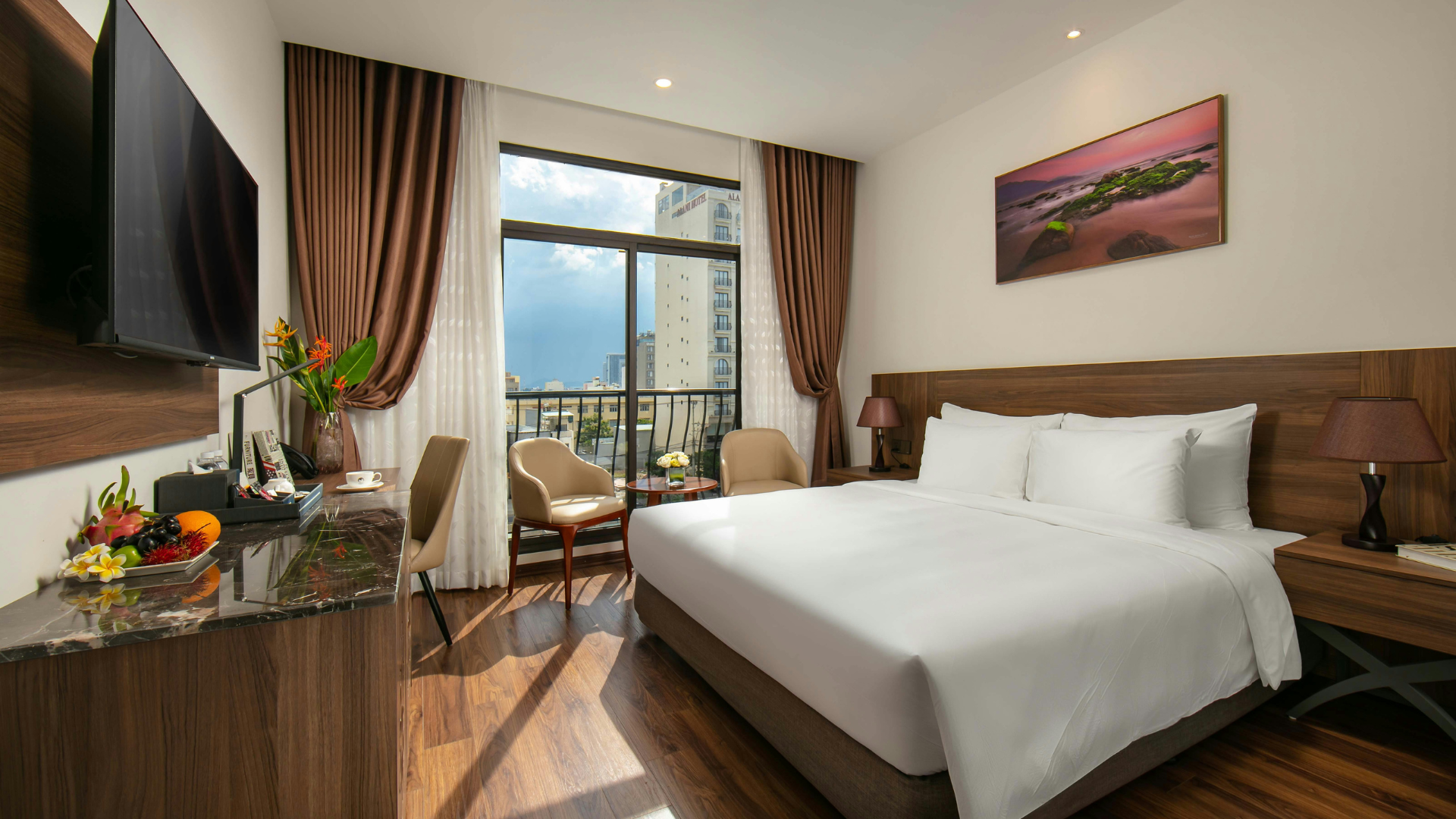
Hotel rooms are no longer just a room to sleep in at the end of the day.
They’ve become personalized, responsive spaces designed to adapt automatically to the person staying in them. Lighting adjusts, the thermostat kicks in, welcome messages appear, and streaming accounts are ready to go. No instructions needed.
The real story behind it all? Integrated AV systems are doing the heavy lifting. And they’re quietly redefining the gold standard for hospitality.
The hospitality industry has been evolving rapidly in recent years. Guest expectations have shifted from “just clean and comfortable” to “connected, convenient, and personalized.”
Smart rooms, once reserved for flagship properties or luxury suites, are now showing up across mid-tier hotels, resorts, and even boutique operations.
And they’re doing more than impressing guests. They're streamlining operations, reducing energy waste, and helping staff respond faster, even remotely.
Smart rooms typically consist of:
It’s not about putting tech in every corner; it’s really about making every interaction easier, faster, and more intuitive for guests alike.

AV was once the domain of the conference hall and the ballroom. Now, it's central to the guestroom itself. That shift is changing how properties are built, renovated, and operated.
Smart rooms offer a chance to align guest satisfaction with operational efficiency. With remote diagnostics and control, hotel staff no longer need to physically visit a room to adjust a system or fix a glitch. Settings can be monitored and updated property-wide, from a single screen.
The benefits go beyond convenience:
In short, smart AV isn't just about a better room; it's about a better guest experience.
The most forward-thinking properties are already pushing beyond personalization. Smart lighting tied to circadian rhythms. Rooms that adapt dynamically to travel schedules. Experiences that bridge digital and physical environments to create a lasting impression on guests.
At the core of those ideas is one constant: connected AV systems that integrate deeply with building management, guest-facing platforms, and hotel operations.
Firms like Immedia, traditionally known for their work in commercial and enterprise AV, have recently begun applying that experience to hospitality spaces, bringing a fresh perspective to how technology can quietly enhance the guest experience.
The definition of a “standard room” is evolving. Personalization, automation, and adaptive experiences are no longer exclusive features; they’re becoming the default in the eyes of a new generation of travelers and guests.
When designed and implemented with intention, AV infrastructure has the potential to elevate not just the guest experience, but the efficiency and identity of the entire property.
Smart rooms aren’t the future. They’re the new normal.


